Recovering from a Fracture: Dos and Don’ts for a Speedy Healing
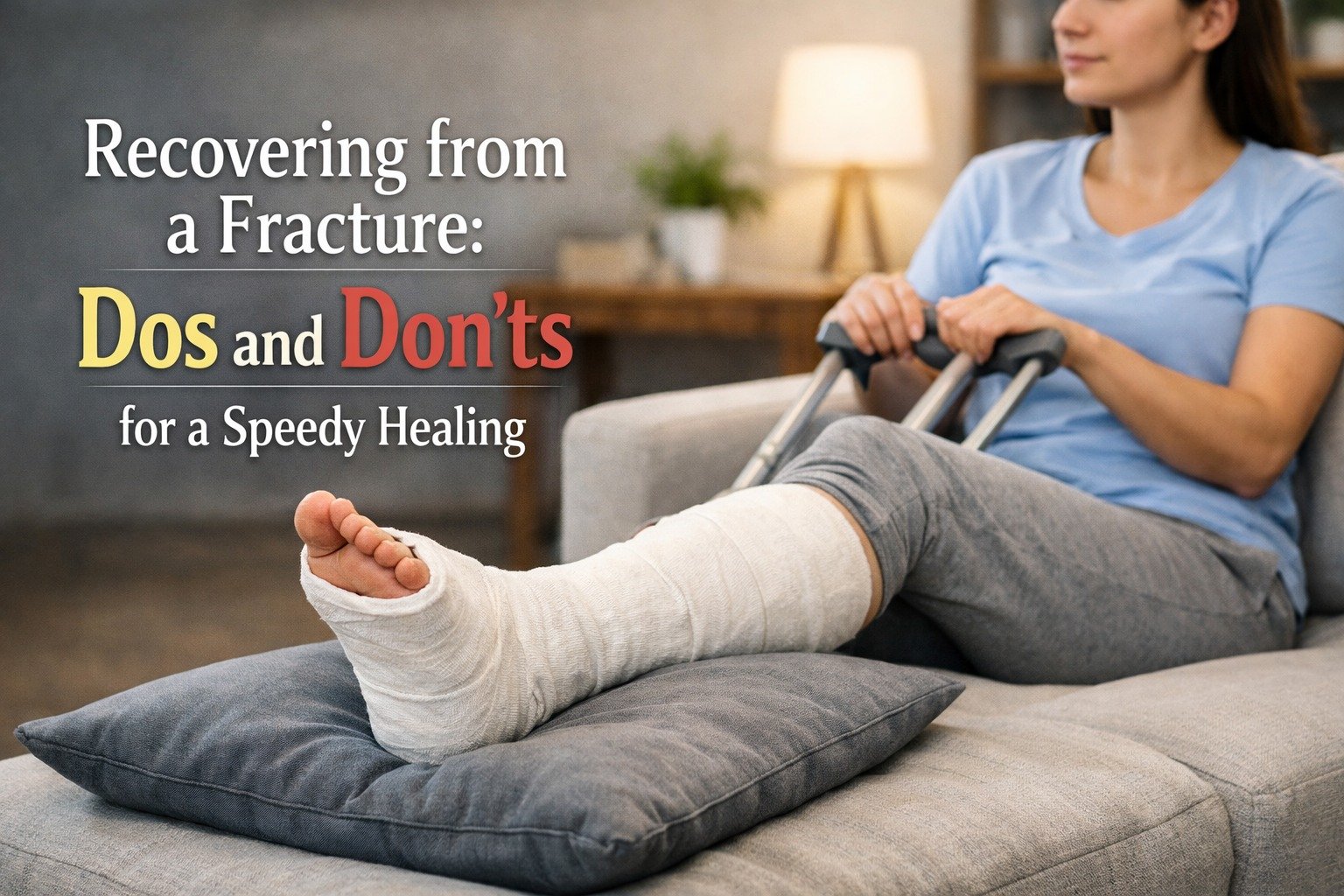
Fractures can disrupt daily life, mobility, and overall confidence. Recovering from a fracture requires patience, proper care, and adherence to medical advice. Understanding what to do—and what to avoid—can make the healing process faster and more effective.
Understanding Fracture Recovery
When a bone breaks, the body immediately begins repairing itself. Bone healing occurs in several stages—formation of a blood clot, soft callus development, and finally, hard bone remodeling. Proper rest, nutrition, and rehabilitation support these natural processes and ensure complete recovery.
The Dos for a Speedy Healing
1. Follow Medical Advice Strictly
Always adhere to your doctor’s instructions about medication, physiotherapy, and movement restrictions. Proper guidance minimizes complications.
2. Maintain Immobilization
Keep your cast or splint in place as recommended. Any unnecessary movement may delay the fracture healing process.
3. Eat a Nutrient-Rich Diet
Include calcium, vitamin D, and protein-rich foods such as dairy, fish, leafy greens, and legumes to strengthen bones and accelerate recovery.
4. Stay Hydrated
Adequate water intake helps maintain tissue elasticity and assists nutrient absorption during bone repair.
5. Perform Gentle Exercises
Under supervision, begin physiotherapy to restore joint mobility and muscle strength once approved by your doctor.
6. Get Sufficient Rest
Sleep allows your body to regenerate and supports tissue growth around the injured area.
The Don’ts During Fracture Recovery
1. Avoid Skipping Follow-ups
Regular check-ups ensure proper bone alignment and progress tracking.
2.Don’t Remove the Cast Early
Premature removal can lead to improper healing and future deformities.
3.Say No to Smoking and Alcohol
Nicotine and alcohol slow down bone regeneration and interfere with blood flow.
4. Avoid Excessive Weight Bearing
Applying pressure too soon can re-injure the bone and undo the progress made.
5.Don’t Ignore Pain or Swelling
Under supervision, begin physiotherapy to restore joint mobility and muscle strength once approved by your doctor.
5. Don’t Ignore Pain or Swelling
Persistent discomfort might indicate infection or poor healing—seek medical attention immediately.
Tips for Faster Recovery
• Keep your fractured limb elevated to reduce swelling.
• Use ice packs if recommended.
• Wear comfortable, supportive clothing and footwear.
• Follow your physical therapy exercises consistently.
• Stay positive—mental wellness accelerates physical healing.
When to Consult a Specialist
If you notice redness, numbness, or unusual discharge near the cast, consult an orthopedic expert immediately. For the best care and professional recovery guidance, consult our Dr. Aravind Gourishetty, a trusted specialist in fracture management and rehabilitation.
Conclusion
Fracture recovery demands a balanced approach of rest, nutrition, and medical care. Following the dos and avoiding the don’ts ensures quick and complete healing.
Remember—consistency, patience, and proper guidance are your best partners in healing a fracture.